
CHP plants have existed for many years, but it is only recently that are becoming more widespread, thanks to technological advances that have reduced the costs of these systems. CHP plants can be divided into four categories, depending on the energy produced:
- Micro CHP, with production of less than 50 kW;
- small scale, with production exceeding 1 MW;
- Media cogeneration, producing between 1 MW and 10 MW cogeneration
- Grande, producing over 10 MW.
The difference obviously lies in the size of the plant and the power supply, but also relates to the priority given to the production, examining the types of smaller and more common, a micro cogeneration plant, the priority is directed mainly towards the production of heat and electricity as a byproduct, whereas in a small cogeneration plant happens more often the opposite, namely the heat is to be a byproduct of electricity generation .
But how should install a cogeneration plant?

At this time, the production cycle to produce electricity to heat the portion not converted to electrical energy is converted more of the party: the heat is not used so often to top 'energy useful electrical. The average yield in the central Italian is, in fact, just over 40% which is necessary to remove the losses due to the distribution network. To produce 1 kWh of electricity, therefore, it must burn 2.3 kWh of primary energy produced by the fuel. The combined production of electricity and thermal energy through a cogeneration system with an efficiency approaching 90%, reducing losses due to transmission and distribution. Burning 1 cubic meter of natural gas in a cogeneration plant can produce about 5 kWh of heat and about 4 kWh of electricity. This efficiency means that the payback time of no greater than 5 years, assuming use of the system per almeno 6 mesi l'anno.
A seconda della produzione elettrica che si vuole raggiungere ci sono varie tecnologie utilizzabili restando sotto al megawatt di potenza, ovvero per gli impianti di micro e piccola cogenerazione, probabilmente i più interessanti dal punto di vista produttivo: dal fotovoltaico al mini eolico, per arrivare alle micro turbine a gas. Il più diffuso, però, è il motore a combustione interna, in grado di coprire un'ampia gamma di fabbisogni. Questo sistema, detto anche motore endotermico , è uno dei più diffusi, anche grazie alla sua affidabilità. E' composto da un motore a 4 tempi alimentato a metano, gpl, biogas o altro, ed è ottimizzato per funzionare al meglio a determinate temperature, accoppiato ad un alternatore trifase e controllato da un sistema elettronico di regolazione, indispensabile anche per gestire tensione e frequenza della corrente ed evitare così disturbi sulla rete. L'impianto funziona in parallelo alla normale rete elettrica e può lavorare in modo asincrono o sincrono: in quest'ultima modalità il sistema è in grado di lavorare in condizioni d'emergenza, ossia di fornire energia elettrica in caso di mancanza di corrente dalla rete. I vantaggi di un motore di questo tipo sono l'elevata affidabilità, i buoni rendimenti, i ridotti costi e l'elevata flessibilità. Per contro, tra gli svantaggi segnaliamo, i costi di manutenzione, la rumorosità e le vibration.
From the standpoint of efficiency, an engine can produce about 35% - 40% electricity and 50% of thermal energy, with only 10% - 15% losses. By way of comparison, other systems (such as gas turbines or steam turbines) are equally effective but with a smaller percentage of electricity generation, for the benefit of heat production caused by steam. The system uses a lean burn engine, combined with an effective cure, contributes to the low emission of polluting gases, provided for by the more recent European standards, more and more restrictive in this sense. For example, a cogeneration plant to natural gas allows a saving of carbon dioxide of about 500 g / kWh compared to separate production of electricity (power plant) and heating (conventional boiler).
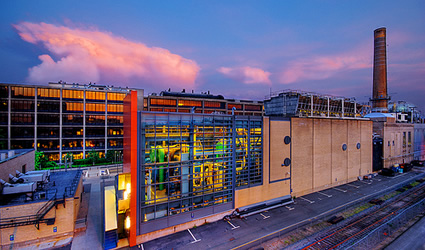
A cogeneration system based on combustion engine can be placed inside the same boiler room, or even outside, in a special sound-proof container. The choice depends on the space you have available but also choices about the visual impact and noise as well as safety and ease of maintenance. Given the size and characteristics of the system, a system of this type can be used all'interno di condomini, ospedali, alberghi, comunità, oltre che nella piccola e media industria, laddove vi sia una forte richiesta non solo di elettricità ma anche di acqua per uso industriale. Nonostante sia possibile alimentare un motore di questo tipo con vari carburanti, è innegabile che il metano è la scelta più probabile, vista la disponibilità stabile di combustibile e la diffusione capillare della rete distributiva.
Scendendo più in dettaglio, un impianto di cogenerazione è costituito da 4 elementi collegati tra loro: il motore primario, il generatore elettrico, il sistema di recupero termico e le interconnessioni elettriche. Nel caso venga usato un motore a combustione interna, questo è usato per convertire l'energia del combustibile in energia meccanica; il generatore collegato la converte in energia elettrica mentre il terzo componente, il sistema di recupero termico, raccoglie l'energia termica dispersa e la converte in calore utilizzabile. Per finire, il quadro di connessione elettrico, collegato sia alla rete interna che alla rete nazionale, provvede alla distribuzione.
Da questa breve descrizione si può capire come la produzione di calore generata dal sistema di recupero sia in pratica gratuita, visto che corrisponde ad uno scarto derivato dalla produzione di energia elettrica e termica. Da non sottovalutare è poi la possibilità che ha il gruppo di cogenerazione to be used as an emergency system, as it could make a generator. Indeed, a system of this type helps to differentiate the heat production and supply of electricity: for this combined benefits of energy efficiency certificates (or white certificates) evidencing the achievement of an energy saving of primary energy.


0 comments:
Post a Comment